Goods Master 3D: Puzzle Games
- 3.9
- Rating
- 10.00M
- Installs
- Free
- Price

 Analysis by App-foxy
Goods Master 3D: Puzzle Games is the kind of casual game I open when I want something simple to understand but still active enough to hold my attention. The basic idea is familiar: you look at a crowded 3D collection of goods, find three matching items, and clear them from the board. That sounds straightforward, and the first few rounds are, but the challenge comes from noticing what is hidden, planning space for future matches, and resisting the urge to tap the first attractive object you see.
Developed by Cobby Labs, the game is free to download and aimed at Everyone. It has built a sizable audience, with over ten million installs, a four-point average from around ninety thousand ratings, and roughly eight thousand reviews. Those figures suggest that it has found a comfortable place among short-session sorting and matching games, although popularity alone does not make every part of the experience perfect.
My overall impression is that it works best as a quick mental reset. I would not choose it when I want a deep story, a competitive multiplayer match, or a puzzle with one carefully designed solution. I would choose it while waiting for an appointment, winding down before bed, or taking a short break from work. The important thing for a first-time player is knowing what kind of success to expect: you are not trying to memorize complicated rules. You are trying to make sensible small decisions before the available space becomes awkward.
You May Also Like

 Google Keep - Notes and lists
Google Keep’s Quiet Growth Shows the Appeal of Simpler Notes
As mobile work gets busier, Google Keep keeps winning a simple contest: capture a thought quickly, find it later, and get on with the day.

 Blood Strike: 2.5 Anniversary
Blood Strike’s Loadouts Turn Every Drop Into a Tactical Gamble
A close look at Blood Strike’s custom loadouts: how fast access to signature weapons reshapes its battle royale rhythm, rewards preparation, and narrows the gap between fights.

 Pandora - Music & Podcasts
Pandora’s Music Is Easy to Start, but Harder to Recover
Pandora’s strength is its low-effort path from a seed to a station. Its weak spot is how much confidence it asks you to place in connection, setup, and quiet recovery.

 8 Ball Pool
 Is Built on Rivalries, Rematches, and Routine
A close look at the rivalries, rematches, shared routines, and unanswered safety questions that turn a quick pool match into a persistent mobile community.

 Samsung Music
’s Quiet Strength Is Playing What You Already Own
Its reach comes less from spectacle than from dependable access to a personal library. That simplicity is both the app’s strongest retention engine and its ceiling.

 AccuWeather: Weather Radar
AccuWeather Review: A Quick, Clear Forecast for Everyday Decisions
For everyday plans, the best forecast is the one you can understand quickly. AccuWeather makes rain timing, radar, and local conditions easy to act on, with a few trade-offs.
More From Our News Desk



What the first few minutes feel like
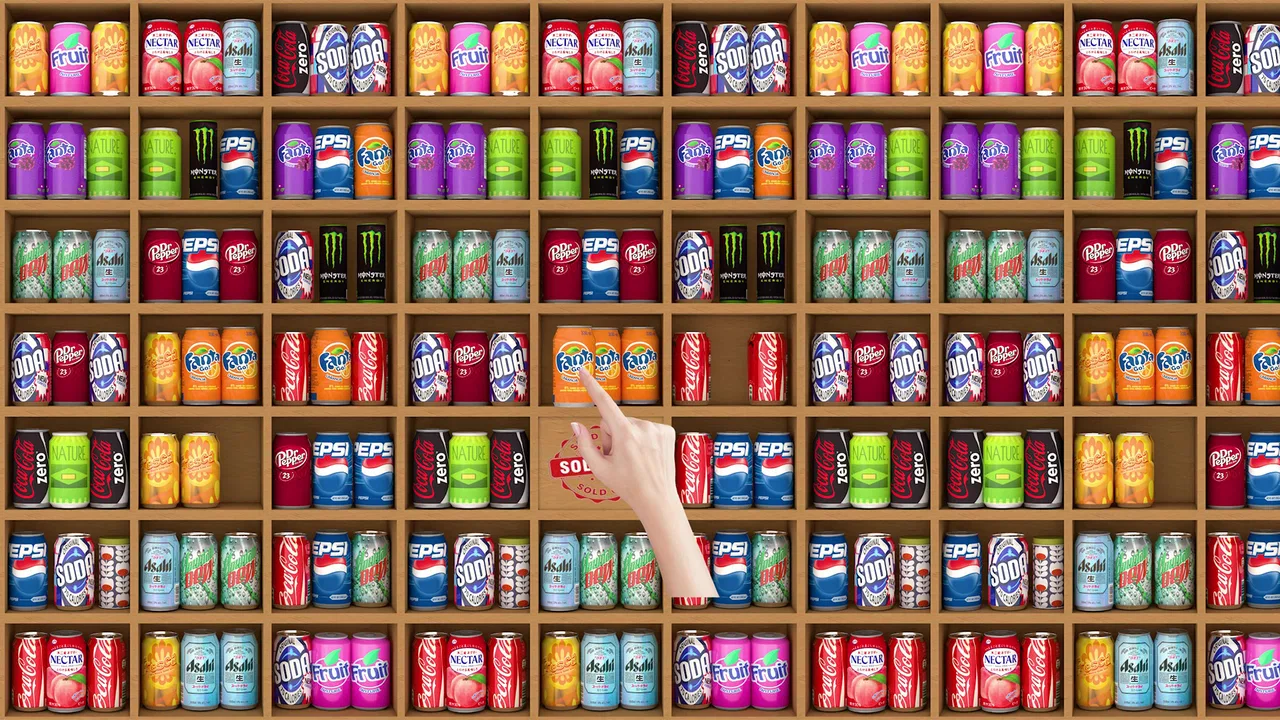
The store summary describes three-dimensional goods matching and sorting puzzles, and that is the right way to approach the game. The objects are presented as a visual pile rather than as a flat grid, so the task is partly recognition and partly inspection. You need to identify matching products while considering which pieces are accessible and which ones are blocked by the arrangement around them.
That three-dimensional presentation gives the game more personality than a standard flat match-three board. It also creates the first small difficulty. A piece can be easy to recognize but inconvenient to reach, while another item may be available now and useful later. I found that the game rewards looking over the whole arrangement for a moment before making the first move, rather than tapping rapidly and hoping the board sorts itself out.
The opening experience is deliberately approachable. You can understand the main action without reading a long explanation, which matters for a casual title designed around quick play. The first meaningful success is simply completing a match of three identical goods and watching that group disappear. Once that happens, the purpose of the board becomes clear: remove sets while keeping enough room to continue making choices.
There is a useful distinction between recognizing a match and creating a good match. If three identical items are immediately available, clearing them is usually sensible. But when only one or two are visible, I prefer to leave them alone until I have checked whether a third item is buried or likely to become accessible. This habit makes the game feel less random and gives the player a practical way to improve without needing complicated tactics.
Getting comfortable after installation
On an Android device, the listed minimum operating-system requirement is Android 8.0, and the current version is 1.14.1. That makes the game accessible to many phones still in everyday use. After opening it, I recommend treating the first board as a learning space rather than trying to play perfectly. Look at how the goods overlap, notice which objects can be selected, and pay attention to how the available area changes after a match.
The game is free, but it includes optional in-app purchases ranging from forty-nine cents to ninety-nine dollars and ninety-nine cents per item. I would not rush toward spending during the opening rounds. First, see whether the basic matching loop suits you. If you enjoy the game, decide later whether any optional purchase is genuinely useful for your own play. The free entry point is enough to judge the core experience, while the wide purchase range means it is worth keeping an eye on accidental taps if you are handing the phone to a child.
Because the age rating is Everyone, it is an easy title to share in a family setting from a content perspective. Still, “easy to understand” does not mean “equally enjoyable for everyone.” Younger players may enjoy identifying the objects, while adults may prefer the calming rhythm and light planning. Someone looking for fast reactions may find the pace too gentle, and a player who dislikes repeated sorting tasks may lose interest once the novelty of the 3D presentation fades.
The developer name, Cobby Labs, is visible in the app’s identity, but the more important question for me is how the game behaves in a normal routine. I can imagine playing a few boards during a commute or between household tasks, then putting it down without feeling that I have abandoned a long campaign. That low commitment is one of its strongest qualities.
Your first successful match, step by step
When a new board appears, I use a simple sequence. First I scan for groups where all three matching goods are already visible. Second I check whether selecting one item will expose another useful piece. Third I avoid filling the selection area with unrelated objects just because they are close to my finger. This approach turns the first clear into a deliberate action instead of a lucky tap.
For a beginner, the safest first move is usually a complete visible trio. If no trio is obvious, choose a pair only when you have a reasonable idea where the third item may be. A pair can be valuable because it reduces clutter later, but it can also occupy space while you search. The trade-off is central to the game: progress comes from clearing goods, yet careless selections can make the next decision harder.
After the first trio disappears, pause again. Do not assume that the next best move is the nearest object. Newly exposed goods can change the board, and the most useful match may be behind the area you were watching. I found that a short visual reset after every successful clear is more effective than keeping the same focus throughout the round.
A practical everyday example is playing during a five-minute wait. I would start with one careful scan, complete an obvious trio, and then continue only if the next choices remain clear. If the timer or board pressure begins to demand rushed tapping, I would rather stop after a satisfying clear than turn a relaxing break into frustration. This is a game that supports short sessions well because a small success still feels complete.
Why the three-dimensional layout can be confusing
The biggest early confusion is not the matching rule; it is understanding the visual order of the goods. Objects can overlap, and the item that looks most prominent is not always the one that should be selected first. I learned to distinguish between what is visually noticeable and what is strategically useful. A brightly recognizable item may be less valuable than a dull-looking piece that unlocks a needed group.
Another common mistake is treating every pair as progress. In a conventional match-three game, players often look for immediate combinations across a fixed board. Here, the sorting element makes storage and access matter more. Selecting two items that do not have a clear third match can leave less room for later decisions. If the board starts to feel crowded, stop making speculative moves and search for a complete trio or an object that will reveal one.
It is also easy to forget that the board should be read in layers. I like to inspect the edges first, then the central cluster, and finally any partly hidden goods that may become available after a clear. This is not a formal mode or a special feature; it is simply a viewing routine that reduces random tapping. It is especially helpful on a small phone screen, where moving attention around the board can otherwise feel messy.
When a move does not produce the result I expected, I do not immediately blame the game. Sometimes I had identified the right product type but missed a second item tucked behind another object. Other times I had selected a pair too early. The game’s gentle appearance can hide these small planning errors, so the best improvement is usually slower observation rather than faster fingers.
How to build a repeatable playing habit
Once the first boards feel familiar, I suggest adopting a “clear before collect” rule. Try to remove a complete trio before adding a new single item to your available selections. This keeps the board more manageable and helps you see whether the game is opening a path toward another match. It is not a guarantee of success, but it is a useful default for beginners.
A second helpful habit is to remember unfinished pairs by location, not just by appearance. If you spot two matching goods but cannot find the third, note where those two are and continue clearing elsewhere. When the layout changes, revisit that pair. This reduces the temptation to select random objects and makes the 3D arrangement feel more like a puzzle you are reading rather than a pile you are guessing through.
I also recommend playing with a consistent pace. Rapid tapping may feel efficient on an easy board, but it makes it harder to notice newly exposed goods and increases the chance of choosing an item you wanted to leave untouched. A deliberate rhythm is particularly useful for people who play while tired. The game is relaxing when your attention is focused, but a cluttered board can become irritating if you interact with it automatically.
One non-obvious trade-off is that the game’s simplicity makes it easy to play longer than intended. A short round can lead naturally into another because there is little setup and no complicated story interruption. That is convenient, but if you use it specifically for short breaks, setting your own stopping point is sensible. The game does not need to become a major time commitment to be enjoyable.
Where it fits among casual puzzle alternatives
Compared with a traditional flat match-three game, Goods Master 3D places more emphasis on object recognition, spatial awareness, and sorting order. A flat board is often easier to read at a glance and may feel better for players who enjoy planning chains across rows and columns. This game is a better fit if you like the satisfaction of finding identical everyday goods in a crowded arrangement.
It also differs from a pure hidden-object game. You are not simply searching for items and moving on; the matching requirement means that each selection affects what can happen next. That gives the experience a little more decision-making than a basic visual search, while keeping it less demanding than a strategy puzzle with many interacting rules.
Against other casual sorting games, the 3D presentation is the main reason to choose this one. It creates a more tactile feeling, but it can also reduce clarity when several objects overlap. If clean, instantly readable boards are your priority, a simpler flat alternative may suit you better. If you enjoy examining a busy scene and gradually making order from it, the visual arrangement is likely to be the appeal.
I would skip it if I needed a strong sense of long-term progression, a competitive ranking system, or a narrative reason to keep returning. I would also skip it if the repeated act of matching identical goods feels monotonous after a few sessions. The game’s strength is its focused loop, and that same focus is its limitation. It does not try to be a broad all-purpose puzzle collection.
What to expect from longer use
After the novelty wears off, enjoyment depends on whether you appreciate small improvements in observation. The satisfying part is not only clearing a trio; it is noticing that you made a better decision than you would have made during the first session. You begin to recognize when a pair is worth preserving, when a visible item is blocking a more useful route, and when the board needs a moment of inspection.
The four-point average reflects a generally positive reception without suggesting that every player will love it. I think that is a fair position. The game is polished enough in concept to make the simple loop inviting, but the same loop can feel repetitive if you want constant novelty. Its audience of more than ten million installs shows broad reach, yet the right personal test is still simple: play enough to decide whether sorting three-dimensional goods feels calming or tedious to you.
For families, I would explain the rule in one sentence and then let the player discover the visual rhythm. For older users who prefer low-pressure interactions, I would recommend starting slowly and increasing speed only after the board feels readable. For puzzle fans, I would frame it as a light spatial exercise rather than a demanding logic challenge. That expectation makes a major difference to whether the first session feels satisfying.
In-app purchases are another reason to decide your boundaries early. Since the game is free to start and optional items can cost from less than a dollar to nearly one hundred dollars, I would avoid treating purchases as part of the basic learning process. First master the board-reading habit. Only then can you judge whether an optional aid or item adds meaningful convenience rather than simply shortening the challenge.
My recommendation for a first-time player
I recommend starting with one short session and focusing on process instead of completion. Scan the board, make one obvious trio, wait for the layout to change, and then reassess. If you become stuck, review your last few selections and ask whether you chose a pair without a likely third item. That question often reveals the problem faster than tapping around in frustration.
Keep the game installed if you want a free casual activity that works in small pockets of time and gives you a modest sense of progress through visual organization. The current version is 1.14.1, and the Android requirement of 8.0 keeps the entry barrier fairly broad. Its Everyone rating also makes it approachable for shared family use, provided adults supervise spending choices on devices used by children.
My final view is that Goods Master 3D: Puzzle Games succeeds because it makes a familiar matching idea feel more hands-on. The best moments come from clearing a trio that required patience rather than luck, especially when doing so exposes the exact goods needed for the next decision. The weaker moments arrive when the crowded 3D layout feels unclear or when the repeated loop stops feeling fresh.
So I would recommend it to someone who wants a calm, accessible sorting puzzle with enough spatial thinking to prevent it from becoming completely automatic. I would point a competitive or story-driven player elsewhere. For everyone in between, the fairest approach is to begin with the first successful match, learn to protect your available space, and see whether that small cycle of searching, choosing, and clearing fits naturally into your day.
FAQs for Goods Master 3D: Puzzle Games
01What is the primary objective of Goods Master 3D: Puzzle Games?
Goods Master 3D is a captivating puzzle game where players aim to organize and sort various items into their correct positions. The game challenges your spatial awareness and problem-solving skills as you maneuver through increasingly complex levels. The ultimate goal is to efficiently fit all items into designated spaces without overlaps.
02Are there any in-app purchases in Goods Master 3D?
Yes, Goods Master 3D offers in-app purchases. Players can buy hints, additional levels, or remove ads. While the game is free to download and play, these purchases can enhance the gaming experience and provide additional features or tools to help players progress more smoothly through challenging levels.
03How does Goods Master 3D handle user data and privacy?
Goods Master 3D adheres to standard privacy practices, collecting minimal user data necessary for gameplay and improving user experience. The game may require access to certain device features, but it ensures user data is secure and not shared with third parties without consent. It's advisable to review the app's privacy policy for detailed information.
04Can Goods Master 3D be played offline?
Yes, Goods Master 3D can be played offline. This makes it an ideal choice for users who want to enjoy the game without relying on a constant internet connection. However, certain features, such as in-app purchases and leaderboard updates, may require an online connection to function properly.
05What age group is suitable for playing Goods Master 3D?
Goods Master 3D is suitable for a wide range of age groups, from children to adults. The game’s simple mechanics and increasing difficulty make it accessible and enjoyable for younger players, while providing enough challenge to engage older users. It's a family-friendly game with no inappropriate content.
Pros
- Engaging 3D graphics enhance gameplay.
- Challenging puzzles keep you entertained.
- Simple controls make it easy to play.
- Frequent updates with new levels.
- No internet needed for single-player mode.
Cons
- Ads can be frequent and intrusive.
- Some puzzles feel repetitive over time.
- In-app purchases can be costly.
- Limited social interaction options.
- Occasional performance lags on older devices.

Goods Master 3D: Puzzle Games
Gallery